Milk thistle and silymarin: what the research really says
Published November 15, 2026 · Educational content, not medical advice
What milk thistle is
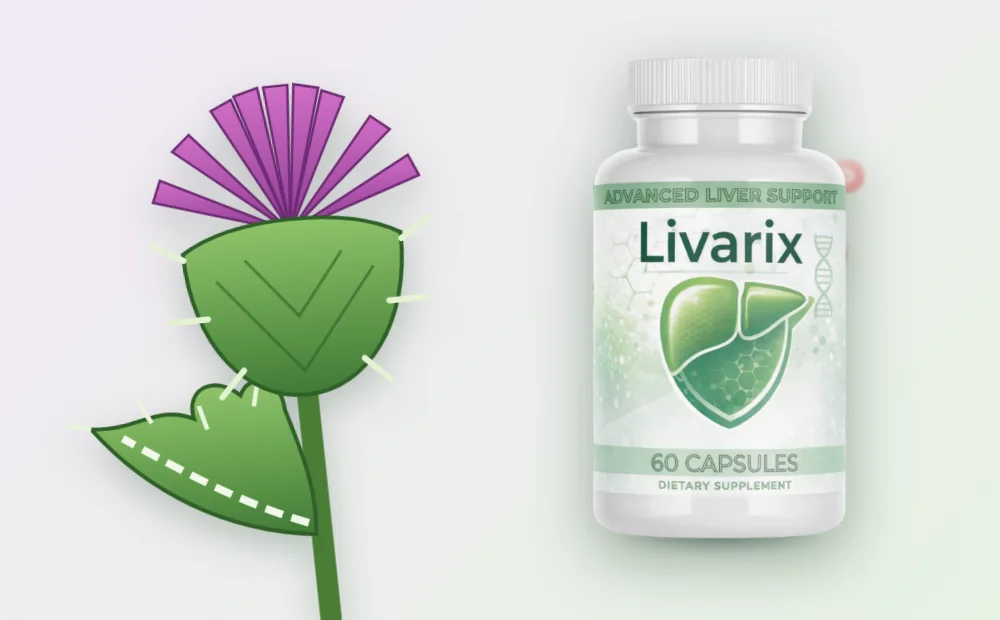
Milk thistle (Silybum marianum) is a flowering plant in the daisy family. You can recognise it by its purple flower heads and the white-veined leaves that gave it its name. People have used it as a liver herb for more than two thousand years, and today it is one of the best-selling botanicals in the liver-support category.
The compounds of interest are found mainly in the seeds. Together they are called silymarin, a complex of flavonolignans whose most studied component is silibinin (also called silybin).
What the research shows
Laboratory and animal studies show that silymarin has antioxidant activity, helps stabilise cell membranes and influences inflammatory signalling. Those results explain the scientific interest. Human research is more mixed. Some trials report improvements in markers of liver health, while others find little difference from placebo, and study designs, doses and extract types vary widely.
The honest summary: milk thistle is a reasonable, well-tolerated choice for general liver-support nutrition, but it is not a proven treatment for liver disease. Most clinical studies also use standardized extracts at doses well above what most multi-ingredient formulas contain.
Safety and interactions
Milk thistle is generally well tolerated. The most common complaints are mild digestive effects. People allergic to ragweed, daisies, marigolds or related plants may react to it. It may also affect how some medications are processed and could influence blood sugar, so anyone taking prescription medicines, particularly for diabetes, should check with a doctor or pharmacist first.
Milk thistle in Livarix
Livarix includes 50 mg of milk thistle powder alongside turmeric, artichoke and five other ingredients. The idea is a broad formula rather than a single-herb product. Read more in our liver cell support focus area or see the full ingredient list.